
PoliticsJuly 9, 2026 5 min read 15 views
Are You Even Listening? - UML MP's Remark to Speaker Ruled Contemptuous, Erased From Parliament Record
UML lawmaker Rajendra Kumar Rai's remark questioning whether Speaker Dolprasad Aryal was even listening led to a tense House session, a 15-minute adjournment, and the eventual removal of his words from the parliamentary record.
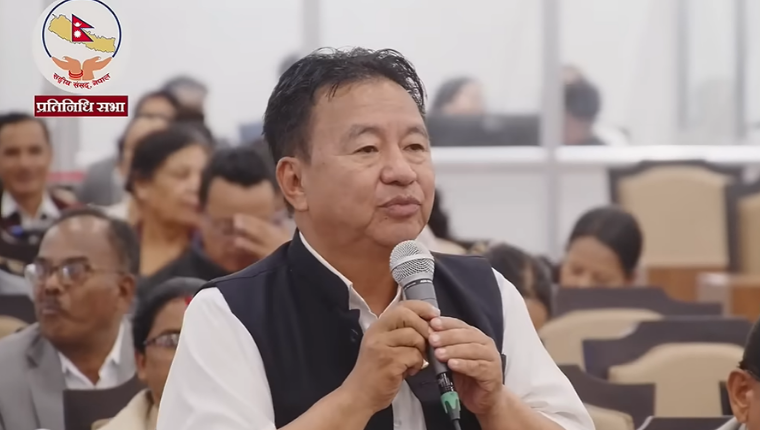
A tense scene unfolded in Nepal's House of Representatives on Wednesday when CPN (UML) lawmaker Rajendra Kumar Rai directly asked Speaker Dolprasad Aryal whether he was even listening, a remark that was later ruled disrespectful toward the Speaker's chair. The comment triggered a heated back-and-forth, a 15-minute adjournment, and the eventual removal of Rai's words from the official parliamentary record. Here's a clear, step-by-step account of what happened, why the session was suspended, and how it was resolved.
What Happened in the House
When Wednesday's House sitting began, opposition lawmakers were seen standing at their seats. Speaker Aryal first gave MP Pramila Kumari Gachhadar a brief opportunity to speak, during which she raised concerns about the border dispute with India and claimed that people in areas like Susta felt threatened and pressured following the Prime Minister's remarks on the issue.
The Speaker then gave the floor to UML MP Rajendra Kumar Rai. As soon as he began speaking, Rai said, "Honorable Speaker, I have a request for you. Are you even listening, or not? This is my appeal to the Speaker." The Speaker immediately intervened, instructing Rai to speak within the bounds of decorum and indicating he would not be given further time to continue. Despite the warning, Rai remained standing, and other UML lawmakers also began speaking without microphones, prompting the Speaker to note his serious concern over the language being used on the House floor.
Point of Order and Adjournment
Ruling party Rastriya Swatantra Party (RSP) MP Tika Sangraula ("Jwala") raised a point of order, demanding that Rai's remarks be removed from the parliamentary record. Citing Rule 21(d) of the Parliament Regulations 2083, the Speaker noted that Rai had indicated he would rephrase his language and apologize, and gave him another opportunity to speak.
However, when given the floor again, Rai did not moderate his tone and instead criticized the Speaker further, saying, "In such a dignified House, the way you behaved while a member was speaking, you should not be allowed to run this House for five years, Honorable Speaker. I had already understood; I had already figured it out. Shouldn't you have to listen to what is being said or not?" As tensions escalated, the Speaker adjourned the session for 15 minutes.
Session Resumes and Rai's Clarification
When the House reconvened after the 15-minute break, Rai was given another chance to speak. This time, he was noticeably more composed and repeated his earlier demand that Prime Minister Balendra Shah appear in Parliament to respond to questions, as required under House rules. Acknowledging his earlier conduct, he said, "Earlier, I was trying to raise the demand that the Prime Minister should come to Parliament and respond. I was trying to phrase it properly; I wasn't panicking. Some things — I wish I hadn't let my emotions take over." He closed by emphasizing the need to move forward through dialogue and consensus.
Immediately after Rai concluded his remarks, Speaker Aryal instructed the Parliament Secretariat to remove all of Rai's earlier statements from the official House record.
What This Means
This episode has reignited debate over decorum and discipline in Nepal's parliamentary proceedings. It also confirms that under Parliament Regulations 2083, the Speaker holds the authority to strike disrespectful or contemptuous remarks from the official record. At the same time, it highlights an underlying demand from opposition lawmakers, that the Prime Minister appear in Parliament and answer questions directly, an issue that has also surfaced in broader criticism of the government's first 100 days in office.
Tips for Following This Story
Look beyond a single heated remark to see how the exchange unfolded and was resolved; parliamentary disputes are often more nuanced than one soundbite suggests.
For questions about parliamentary procedure and record-keeping, rely on official information from the Parliament Secretariat rather than secondhand summaries.
Common Mistakes to Avoid
Judging an MP's overall conduct based solely on one heated remark, without accounting for the clarification or apology that followed.
Assuming that a remark removed from the official record means the incident itself didn't happen; removal from the record affects the official transcript, not the historical fact of the exchange.
Key Takeaways
UML MP Rajendra Kumar Rai's remark asking Speaker Dolprasad Aryal whether he was "even listening" was ruled disrespectful toward the Speaker's chair.
Following a point of order by RSP MP Tika Sangraula, the Speaker ordered Rai's words removed from the parliamentary record.
The session was adjourned for 15 minutes due to rising tensions in the House.
When the session resumed, Rai acknowledged he had let his emotions take over and returned, in a more composed tone, to his original demand for the Prime Minister to appear in Parliament.
Conclusion
This incident is a reminder of how sensitive the relationship between the opposition and the Speaker's chair can be in Nepal's Parliament. Despite the heated exchange, Rai's eventual return to his core demand, accountability from the Prime Minister on the House floor, and the Speaker's rule-based handling of the situation suggest that parliamentary process, while occasionally chaotic, is still functioning within its established framework. Even so, episodes like this continue to fuel broader conversations about discipline and decorum inside the House.
FAQ
Q1: What did MP Rajendra Kumar Rai say to the Speaker?
He asked Speaker Dolprasad Aryal, "Are you even listening, or not?" a remark that was later ruled disrespectful toward the Speaker's chair.
Q2: Why did Parliament remove Rai's remarks from the record?
After RSP MP Tika Sangraula raised a point of order, the Speaker invoked Rule 21(d) of the Parliament Regulations 2083 and instructed the Parliament Secretariat to strike Rai's comments from the official record.
Q3: Why was the session adjourned?
Tensions rose after Rai continued criticizing the Speaker and other UML MPs began speaking without microphones, prompting the Speaker to suspend the sitting for 15 minutes.
Q4: What did Rai say when the session resumed?
He acknowledged that he had let his emotions take over and, in a calmer tone, repeated his original demand that Prime Minister Balendra Shah appear in Parliament to answer questions.
Q5: What was Rai originally trying to raise?
He was trying to demand that the Prime Minister appear in Parliament and respond to questions directly, an issue that got overshadowed by the heated exchange that followed.
CTA
What's your take on this parliamentary dispute? Share your thoughts in the comments, and follow HarendraLamsal.name.np for more updates on Nepal's political developments.
Related Articles
#Nepal parliament#UML#Rajendra Kumar Rai#Speaker Dolprasad Aryal#House of Representatives#Nepal politics#parliament dispute#Balendra Shah#RSP#Nepal news